
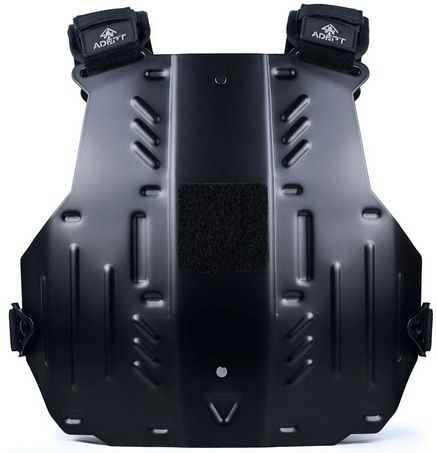
A plate carrier is only as good as the setup built around it. Two people can buy the exact same carrier and end up with completely different results depending on the plates, padding, and accessories they choose to pair with it. Getting the setup right starts with being honest about what the carrier actually needs to do.
Start With the Plates, Not the Carrier
It is tempting to pick a carrier first based on looks or brand reputation, but the plates should drive the decision. Weight, cut, and protection level all vary significantly between ceramic, steel, and polyethylene plates, and each comes with real tradeoffs. Ceramic plates tend to offer strong protection at a lighter weight than steel but can crack under repeated impact or rough handling. Steel is durable and often cheaper, but the added weight adds up fast during extended wear. Some setups are built specifically around breastplate armor designed for a front and back configuration, which changes how the carrier needs to fit and how it distributes weight across the shoulders and waist.
Once the plates are chosen, the carrier needs to actually accommodate their cut and thickness without shifting during movement. Explore durable breastplate armor designed for dependable protection and a strong fit - visit the website today to view available options.
Matching the Carrier to Actual Use
A carrier built for a short-range day looks very different from one meant for extended wear. Low-profile carriers work well for concealment or minimal loadouts, while larger carriers with more MOLLE webbing make sense for anyone running a full battle belt setup with pouches, medical gear, and extra magazines attached directly to the carrier itself.
Comfort matters more than people expect here. A carrier that feels fine standing in a store can feel completely different after wearing breastplate armor for several hours, especially once cummerbund tension and shoulder strap placement come into play.
Testing the Full Setup Before Committing
The only real way to know if a setup works is to wear it under realistic conditions, whether that means training, range time, or simply moving around for an extended period. A setup that looks right on paper does not always move or fit the way it needs to once it is actually loaded and worn.
Read a similar article about best plate carriers here at this page.