
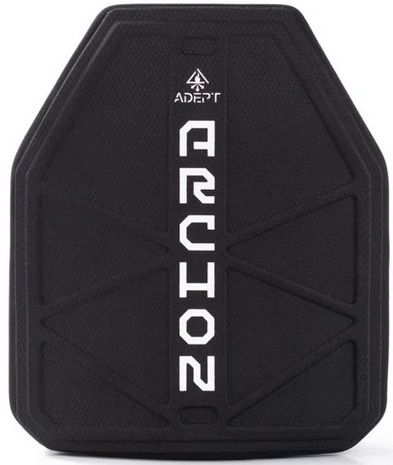
Military equipment standards vary significantly from one country to the next, and Europe is no exception. For defense contractors, procurement officers, and anyone involved in sourcing military gear for European forces, understanding the landscape of requirements is essential. Ballistic protection sits at the center of much of this discussion, and knowing how European standards compare to other frameworks helps clarify what is expected and why.
European Standards and How They Differ
Unlike the United States, which relies heavily on NIJ classifications for body armor, European nations tend to follow their own national standards or adopt standards set through collaborative defense agreements. STANAG, the NATO Standardization Agreement, provides a common framework that many European militaries reference when specifying protection levels for armor and vehicles. Stay protected with certified level 4 ballistic plate - visit this website to shop trusted gear today.
European ballistic standards generally categorize protection based on the specific threats a soldier is likely to encounter in active combat scenarios. These standards account for high-velocity rifle rounds, armor-piercing ammunition, and fragmentation threats from explosive devices. The testing protocols are rigorous, and manufacturers seeking to supply European militaries must meet strict certification requirements before their products are even considered for procurement.
It is worth noting that while a level 4 ballistic plate meets NIJ standards in the United States, European procurement processes may require additional testing or certification under local frameworks before the same plate qualifies for use by European forces. This creates important nuances for suppliers working across international markets.
What This Means for Procurement and Compliance
For organizations supplying body armor and protective equipment to European militaries, compliance is not a one-size-fits-all process. Each country may layer additional requirements on top of shared NATO guidelines, which means documentation, testing records, and third-party certifications all play a critical role in the approval process.
A level 4 ballistic plate that performs well in American testing environments may still need to undergo independent European certification to satisfy procurement requirements. Working closely with in-country compliance experts and understanding the specific threat assessments each military prioritizes will put suppliers and procurement teams in the strongest possible position when navigating this complex landscape.
Read a similar article about full face ballistic helmet here at this page.